Memory of Mısır Çarşısı
When I approach Mısr Çarşısı on this particular visit, there is a presentiment of something I have never sensed in this exact way before.
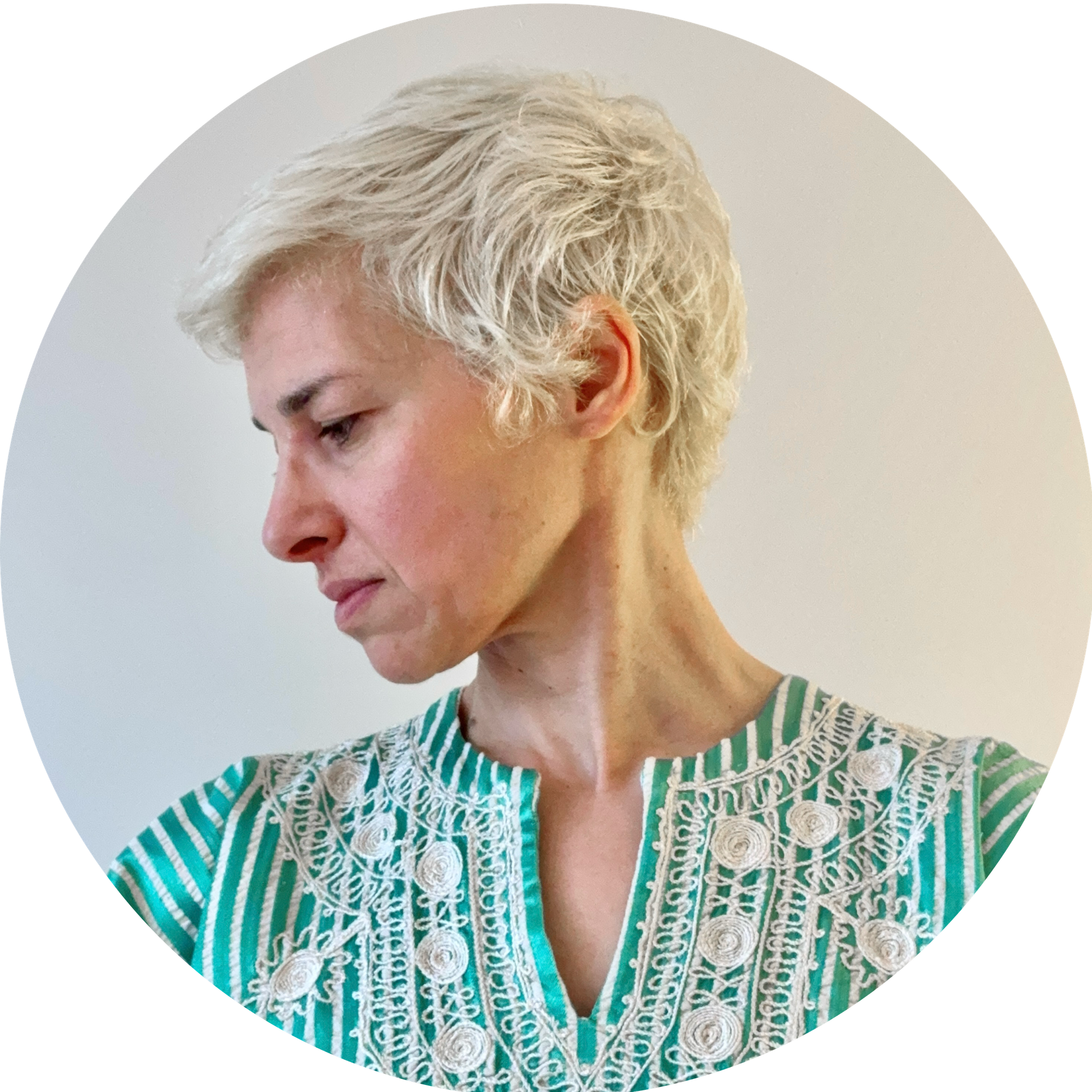
My grandfather Wehbi Jamil Hariri started out as a merchant; I’ve heard the stories of his beginnings as a henna dealer, now that I’ve started dying my hair with henna. My aunt Selwa tells me how the best henna comes from Egypt, always has: a rich, bright green powder, with an earthy, vegetal aroma. It’s a smell that says green to me. I’m here to look for it, in the Egyptian bazaar that forces you to contemplate centuries of trade spanning the vast expanses of the Arab world and what used to be the Ottoman Empire. I’m here to look for other things besides…even before I can see the archway to the bazaar, I’m struck by the smell of coffee that beckons before you even see the roastery that perches at its entrance. The entirety of the experience of this particular district of Istanbul—city of my matrilineage, the land of mothers—is sensory fulfillment to me.
We land at Eminönü, about a half hour away by seabus from the Asian side of the city where my aunt Selwa lives. Istanbul is a place terraced across continents and centuries. The approach to the old city never fails to enchant: minarets appear out of the haze, I catch a glimpse of Kız Kulesi near the entrance to the Bosphorous as we approach the Golden Horn. Once we disembark, we scan to orient ourselves: over to the right the Galata tower, over to the left the streets leading to Kapalı Çarşi, the Grand Bazaar, and before that, Mısr Çarşısı. Eminönü is the district of labyrinths, full of narrow streets snaking in and around to the various entryways to the bazaar. We catch sunshine, see people fishing off the edge of the Galata Bridge, hear the shrieks of seagulls—I always recall that my anne anne Hurnisa’s maiden name was Albatros—before we make our approach to the bazaar.
There is a constant flurry of people coming and going. This area of Istanbul has more clearly become my favourite place, in a city full of them. We enter the spice bazaar on this particular day, and the sheer number of stalls, wares, colours, smells fills me with a tactile pleasure that I simply absorb, and revel in. It’s not the plenty, it’s not the variety; in the flicker of sunshine on my face, on this day, I have a strange feeling of belonging to my grandfather in a way I’ve never experienced before. An epigenetic hit, a cellular sense of recognition. I never met him, and he died when I was little. But the stories that I’ve gathered from family have created an energetic link where no physical one existed. I’m seeing the bazaar through his eyes, suddenly realizing that mine came from his, that perhaps the innate sense of tactile things that I’ve always had—what was good, and what wasn’t—came from him. His appreciation for so many things—carpets, henna, silk, the limestone of Aleppo—emblems of a merchant’s psyche. It’s never been necessary for me to make purchases to have this sort of sensory pleasure: there’s a strange calm in seeing something of quality and knowing it exists. Understanding what makes it so.
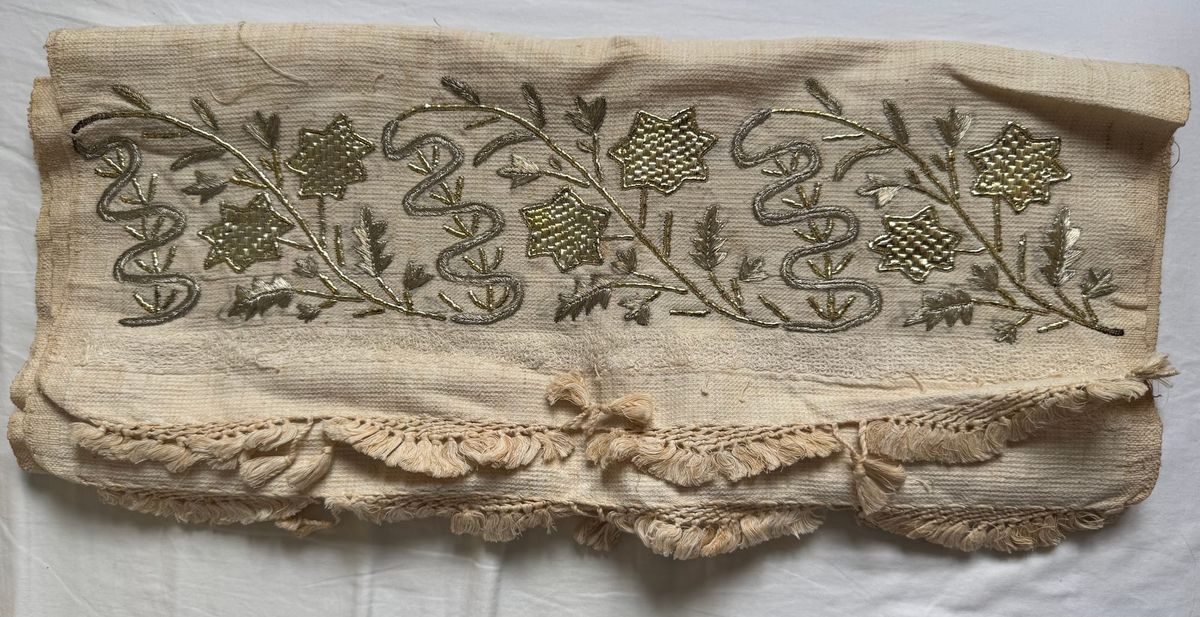
In the spice bazaar, there are so many of these moments where I see parts of my submerged self for the first time. We come across a shop that is unique in the bazaar, that displays old Ottoman costume, resplendent with embroidery, and I am reminded of work that my grandmother passed on to my mother, bearing this same character and quality. Nothing here is anything I would ever see in a shop back home, and it makes me question exactly what home is. This is the sort of place where my kin have spent hours of lifetimes; it’s no wonder I feel it in my cells.
And I am here to make a purchase; I need to find the good henna, the sort my grandfather would recognize. Bright green, a fine powder, with no impurities. I’ve taken to mixing it with a tea made from dried walnut skins, and olive oil—the former to tone down the redness in the henna, and the latter as an emollient—and applying it to my head. Left overnight, it will dye my greys and condition my hair. The merchants selling it here sell many other things besides, the many barrels of soaps, spices, nuts, dried fruits, sweets laid open and spilling out from store fronts. Strolling by you’ll be offered a taste of something, here, try this, see if you like it; most often you will. The names of things will tell you where they came from, and it will seem as if you have the entirety of the world’s riches at your fingertips.