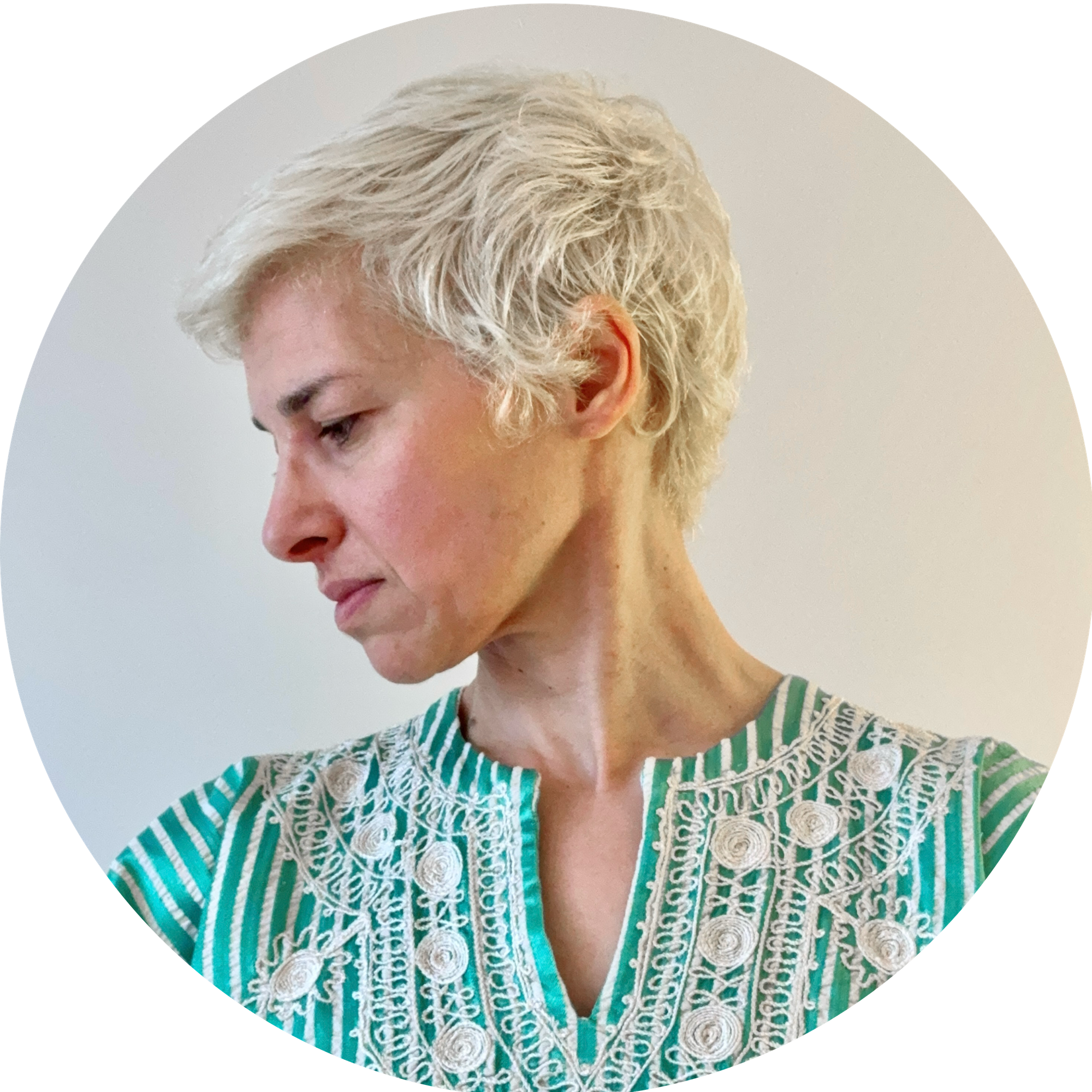
Another year...
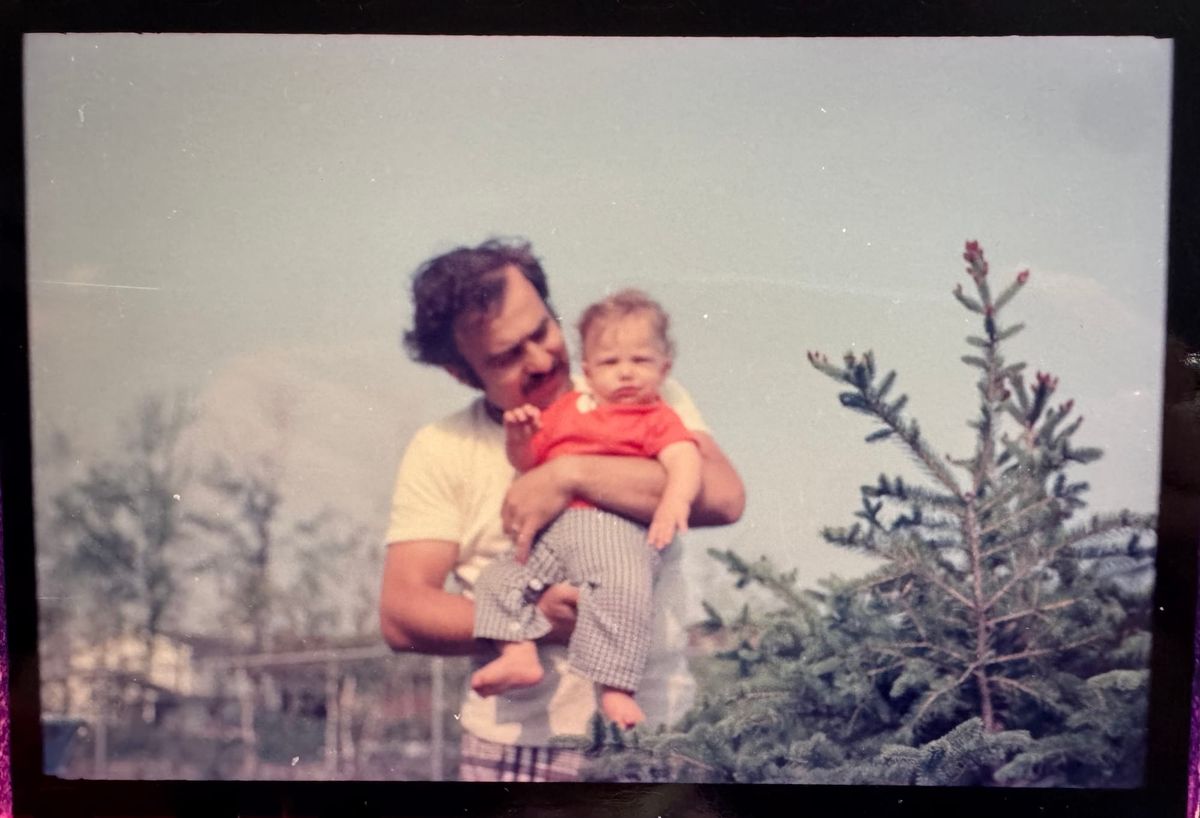
I stared at his helpless face as it stared into mine.
The doctor had asked my father to name everyone in the room, and while his eyes registered that he knew who I was, the distress in them equally revealed that there was something wrong, because he could not recall my name clearly enough to enunciate it. And he had named me after his mother.
A name both blessing and curse. Rafia—pronounced raf-ya—as far as I’m aware, means anything from the healing of God to sublime or exalted. When I was young, the only thing I knew about it was no one else I knew had that name, except for my teta, my paternal grandmother. My Palestinian grandmother. My father had chosen it for me, while my mother’s name, Najwa, had been shoved in the middle, a necessary mitigation.
Whereas my father would occasionally exclaim and I had to name you after her, which was never meant admiringly, my mother would equally exhort remember your middle name, which was meant as encouragement but more often felt like pressure.
Sometimes I think you should just name yourself.
•
I realize decades later their name construction for us was extremely anglo, because they had taken their own father’s names as their middle ones, a more typical Arab naming convention by which I would otherwise have properly been Rafia Anis. A way to acknowledge patrimony. Maybe as immigrants they didn’t worry about that so much. We were an island in a sea of Smiths and Joneses.
We didn’t use the typical Arab names for our parents either; I never called my father ‘baba,’ he was Dad, or Daddy, or Papa, or when I got older and more sassy, Pops. My mother was mostly Mom, or Mummy, or Mum, which as I think of it describes my mother accurately. Mum, as in quiet. Her aggression always passive, restrained.
My father Anis is possibly the most ridiculous person in my entire family. And at the same time, the one person who has in his life arguably travelled the furthest of anyone, and beaten the greatest of odds.
My father was born August 17, 1939, in Haifa, Palestine, in his ammo Boutrous’s home, the family compound where everyone on his mother’s side of the family lived. His father was an orphan, though he hadn’t been born one.
When he was a few months shy of his ninth birthday, my father and his family—four other siblings, his parents, and his mother’s extended family, the Asfours—suffered the fate of thousands of Palestinian families at the time, and were dispossessed of their home, their homeland, and any belongings they were unable to take with them.
•
I record my father telling me this story, and he reads from something he wrote years ago in answer to questions his grandniece had asked for a school project. Something he crafted himself, in a colonizer’s language that was his third, in which he spent more of his life than in his mother tongue. He reads from this prepared set of questions, and years later it brings my 86-year-old father to weeping. Not just tears, wracking sobs.
I’d heard my father exclaim “I was a refugee” before, and tell stories about his upbringing, many of which were not happy memories. I had never seen him get emotional about leaving Palestine before, about his unchildlike realization at age eight that they weren’t going on a trip, and would never return home. He had kept that buttoned up. Somehow the need to keep it close had gone. Like memory. Except the ones we have seared into us early on are so much more powerfully imprinted upon us than we care to admit. Adulthood erases nothing.
I realize now this was my father’s first exposure to the abject cruelty that life can dole out capriciously, without warning. The first bitterness that tells a child growing up is not everything you imagine it to be. The first of the erasures of innocence.
I had seen my father cry, but only when I was in some kind of inexplicable depression that he registered as somehow connected to him. He had hoped to spare me from that. The trauma my father experienced as a refugee and in a family that was unable to process any negativity in a way that didn’t generate more negativity, had never been fully dealt with and it emerged around the time I was a toddler as deep, existential depression. An intractable life crisis. There were familial wounds that went even deeper than the Nakba’s undeniable impact, which was substantial.
•
I am staring into the face of my father, he knows it’s me, I am several months pregnant, having driven here worried when I got the call that he was in hospital after having fallen on ice and hit his head, whereupon he must have been knocked out. Some indeterminate amount of time later, he wandered back into the house utterly confused and uttering gibberish. The details of this event explain why my father is ridiculous: the reason he slipped is because he was walking on the icy patio in my parents’ suburban backyard, in the dead of a Canadian winter that I recall being especially frigid that year. In Birkenstocks. Not even new ones with treads intact, not that that would have made much of a difference. He couldn’t be arsed to put on proper boots to go out where he knew there was ice. Ridiculous.
We his family are worried. My mother is exuding the kind of calm that befits a retired pharmacist who is hypochondriac in a surreptitious way; my sister is taking charge because as the only speech pathologist in the family—one experienced with head injury—she has the expertise to assess what’s happening, and provide counterpoint to the doctors in the ER waiting room. I’m the black sheep at 41 with the expanding belly, the only one of the three my father couldn’t name at a drop. But he knew me. Not being able to spit out my name was the reason he looked so shrunken, as if that moment made him realize how serious this all was, or could be.
•
This was not the first time my father had sustained a serious head injury. As a teenager, in his last year of high school, en route to a place at the American University of Beirut, he’d been thrown from a horse, and landed on his head. Not wearing a helmet, although it’s completely dubious whether a helmet would have changed the outcome. Subarachnoid hemorrhage of the brain was the verdict; three weeks in a coma was where he ended up. My teta was told to prepare to bury her youngest son, only a few years after she’d buried her husband. It derailed his entire school year, delaying his entry to university. Most people get this sort of an injury from a massive brain bleed, like an aneurysm, and many people don’t survive it.
Call it the first time my father cheated death.
•
As scary as it initially seems, by the time night is coming on—after being in the ER for the better part of the day—my father is coming back to himself. He’s started to tell the doctor who’s been checking in on him that he knew it wasn’t serious because of his dream.
Oh dear god, not this…for fuck’s sake Dad, don’t tell the doctor about your stupid dream…I am suddenly a child completely and utterly mortified by something my dad is going to say to a complete stranger, because it sounds weird or distinctly unfunny though he thinks it’s hilarious.
But it’s too late: he’s already telling the attending physician that he dreamt years ago when he would die, and so he knew that this wasn’t going to be fatal or anything. Because it’s too soon. He’s got another nine years left. He tells the physician this with all the zeal of someone who is oblivious to the psych consult that might result from telling a doctor you know when you’re going to die because you saw a dream about it. But he’s also spent nearly every waking moment since he had this dream repeating it to anyone who’ll listen. Including, very inappropriately, his grandchildren.
He’s offered a bed at the hospital, but when it’s clear he’ll only be able to sleep in a corridor, not even a shared room, my mother insists on taking him home where he’ll have an undisturbed sleep. So, he goes home, and we temporarily rest in the idea that he’s got at least another nine years to go. At least.