The day I am happy with your nearness
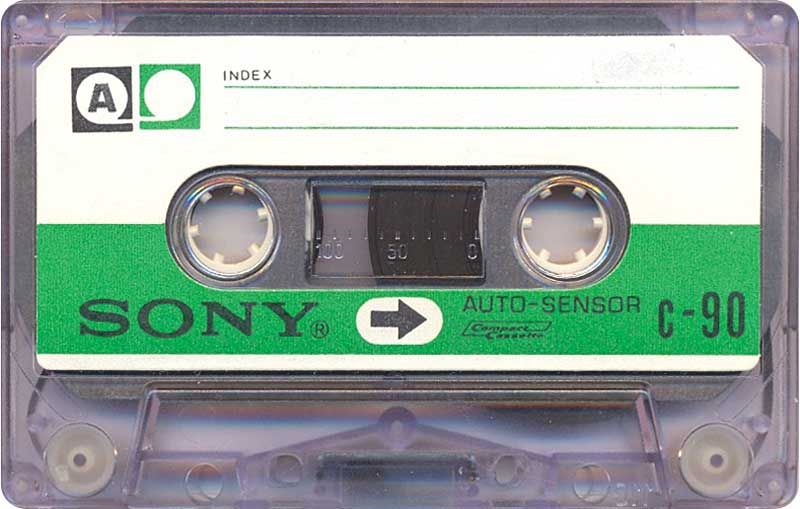
Idly scrolling YouTube for something to take me out of my funk, it finds me—the exact performance, I know it from the first notes, the tempo, the crowd noise—and suddenly I’m transported…I’m four, I’m fourteen, and my father has once again put on the scratchy cassette tape of a concert by Umm Kalthuum, the famous Egyptian diva. A tape he’d recorded live off the radio in Beirut, sometime in 1960, around when he met my mother. It came with him to Canada five years later. I know it’s the correct version, because the sounds fall effortlessly into the spaces etched in my heart by repeated listenings.
When I asked you about a lyric—your Arabic better than mine—you sent me a version of this song. How could you be Egyptian and not recognize it? But it was different; a variation of slower tempo and delivery. No one else I’d met would have had any idea about this song.
It’s this performance of it that is threaded through my life. When I was little, it sounded like an extended wail of pain, for no reason that I could understand. When I hit my teens, and I asked my father about the lyrics—my Arabic too weak to parse Umm Kalthuum’s phrasing—it became lodged in me like a fishhook, tugging at my heart each time I heard it.
I lie in bed, attentive, and I am stricken, levitating out of my body, replaying something stronger from the feeling than the memory. Longing, loss, something more than a love song.
Of course it is a love song. It’s love as a force that allows you to see and feel love everywhere, which makes it so agonizing. Kul’el nas ahbab…all the people become lovers when I see you. What better way to explain what love can do to your consciousness, a realization so profound, you need to repeat the words to absorb it? A recitation, an incantation of loss. This is a loss that feels greater than the loss of a person: the loss of identity, of place. A loss that sometimes feels like drowning, sometimes like being on a treasure hunt, sometimes—like today—feels like an unfillable emptiness.
I hear this version, and I can’t help myself. The instinct to share these fragments with you—the parts I need to show to someone who will recognize them—is still so strong. I send it, and receive confirmation: I know it, it’s beautiful.
The way Umm Kalthuum’s voice wails over the instruments, mimicking then harmonizing with them, and the way the music will seem to ebb, to die, then she revives it with a cadence and lyric, it’s a hand that doesn’t want to let go. Like a change in a love affair, it floats as if on its own stream of air, then drops like a shift in the breeze. A kite losing the gust and falling to earth. A woman collapsing into a faint.
This music is firmly lodged within me, another clue for the task I have set myself: to reanimate the ancestral parts of myself that have atrophied without oxygen or light.
In this music are oranges, yellows, and greens against a stark blue, colours bright under a hot sun. Not the northern greys and blues that depress me most days, that I am surrounded by. I feel like a stranger here, because I am. The colours are wan, all wrong.
This is not my native land.
I am hungry for a richly textured world that was taken away from me. A world vivid and sensorial, full of history. My history, my ancestry. I fear the most I’m able to do in the time I have left is to catch the slightest of glimpses. And as skint as that makes me feel, just that sliver would be like entering a genie’s tomb and finding untold riches, jewels and gold.